Guides · February 10, 2026 · 4 min read
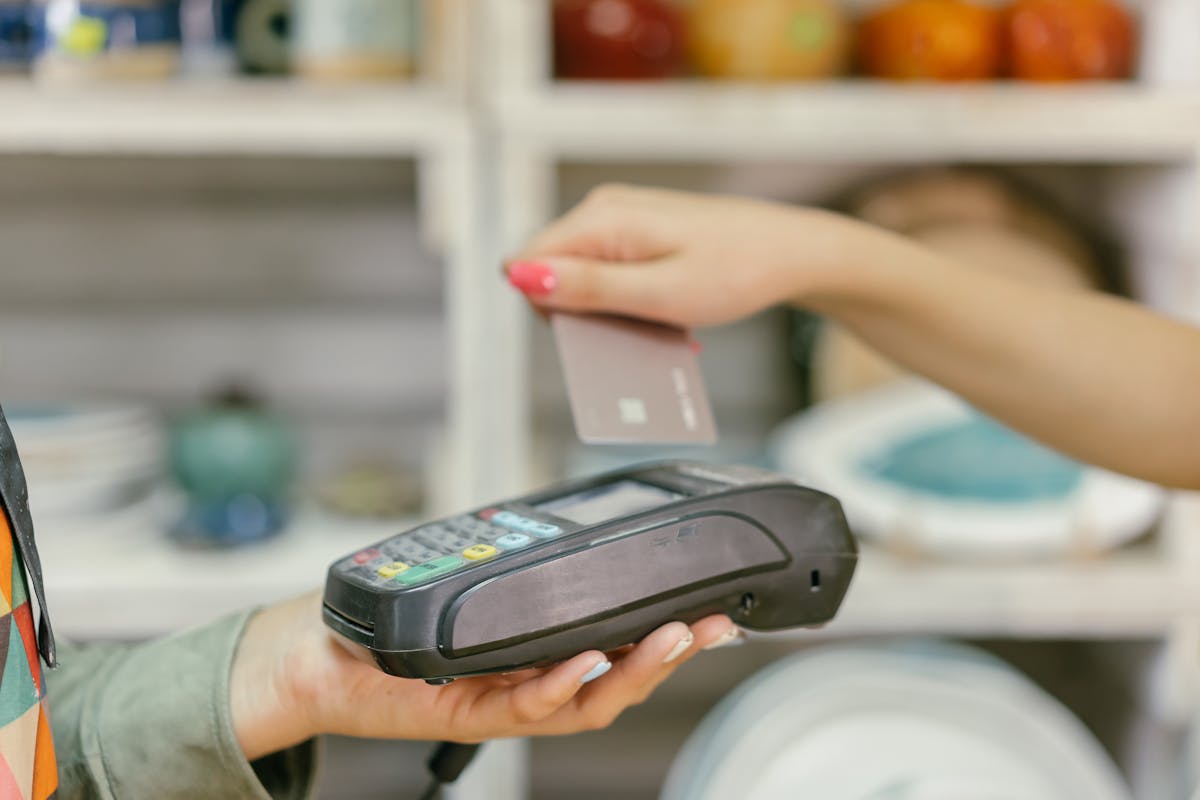
Your first card reader feels like a small purchase until it dictates your busiest hours. A reader that dies mid-Saturday or can’t handle a card without wifi costs far more than its price tag. Here’s what to check before you commit.
Battery and range that survive Saturday
Look for a full trading day of battery — 200+ transactions per charge — and Bluetooth that reaches from counter to door. If you trade outdoors, a reader with its own mobile connection beats phone-tethering every time.
Offline mode is non-negotiable
Venues, markets and basements all kill wifi eventually. Your reader should queue encrypted sales offline and sync later, with chip and tap both working. Ask how many hours of offline sales it stores.
- 200+ transactions per charge, USB-C fast charging
- Offline queue with automatic sync and no double-charges
- Chip, tap, Apple Pay and Google Pay out of the box
- SMS, email and paper receipt options
Ask about the costs nobody advertises
Reader price is the smallest number. Ask: is there a monthly terminal fee? What does a replacement cost if it breaks? Are payouts or refunds charged extra? Are you locked into a contract? Honest answers to those four questions reveal the real price.
Try it with your actual hands
Finally, hand the reader to whoever will use it most. Big buttons, a readable screen in sunlight and a refund flow that needs one manager tap — those details decide whether your team loves it or works around it.